Beauty Bag & Shopping / Care note
Decide Whether a Beauty Device Fits the Routine and Budget
Check intended use, evidence and claims, contraindications, instructions, maintenance, replacement parts, warranty, and realistic frequency.

Do not buy a device unless the full routine, safety guidance, upkeep, and total cost make sense without relying on dramatic promises. The useful goal is not a dramatic transformation. It is a routine that remains understandable in ordinary light, on an ordinary schedule, and without hiding discomfort or uncertainty.
01 / Read the current routine
Observe before you add.
List what is used, what is open, what is expired or uncomfortable, what travels, and which step repeatedly creates friction. Write down when the step happens, how often it is skipped, what the label asks for, and which result is actually visible. Separate comfort, appearance, convenience, and shopping desire so one product is not expected to solve four different questions.
Check intended use, evidence and claims, contraindications, instructions, maintenance, replacement parts, warranty, and realistic frequency. Keep the first experiment small and avoid changing several products, tools, or techniques at once.
02 / Use what is familiar
Give the current products a fair method.
Finish, clean, repurpose, or remove existing products before expanding the category. Check amount, placement, order, drying time, water, lighting, tool cleanliness, and storage. A product can feel inconsistent when the method changes every use or when another layer interferes with it.
Follow current instructions and stop when a product causes pain, persistent irritation, swelling, injury, or another concerning response. Qualified medical or beauty professionals should handle diagnosis, procedures, and problems outside general personal care.
03 / Make the technique visible
Slow down the part that usually goes wrong.
Use clean hands and tools, stable light, a small amount of product, and a clear stopping point. Notice edges, pressure, heat, friction, product buildup, and whether the technique can be repeated without creating extra cleanup or discomfort.
Practice with the familiar formula first. Technique should reduce uncertainty, not become another standard the reader must perform perfectly.
04 / The product check
Buy only when the routine has named the job.
Buy only after checking current price, quantity, instructions, ingredients, compatibility, return terms, warranty, and replacement parts where relevant. Check current ingredients, directions, warnings, quantity, packaging, shelf life or period-after-opening symbol, storage, compatibility, maintenance, price, stock, shipping, and return terms.
- Choose the job before the format or brand.
- Separate evidence and label information from advertising language.
- Avoid buying several new variables for one uncertain result.
- Keep the receipt and packaging until fit, shade, comfort, and routine compatibility are clear.
05 / Keep the next version small
Let repetition decide what stays.
Save the shortest version that still works: the order, amount, tool, light, or timing that made the step easier. If the routine cannot survive a busy day, reduce it before buying another helper.
A product earns space through repeated use, comfort, and a clear job. It does not earn space because it was new, popular, expensive, or difficult to finish.
Stay in this department
Three more notes for the same part of the routine.
Shopping
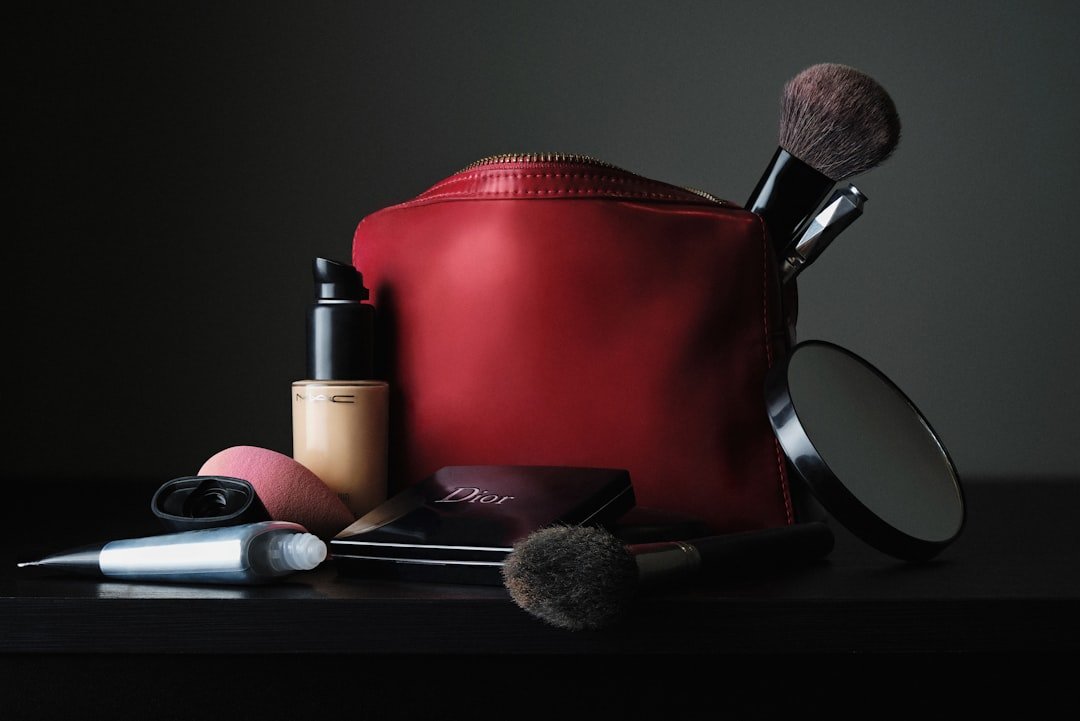
Audit the Beauty Bag Before Another Product Launch
Sort daily use, occasional use, duplicates, expired items, uncomfortable formulas, dirty tools, and products waiting to be finished.
Open the beauty note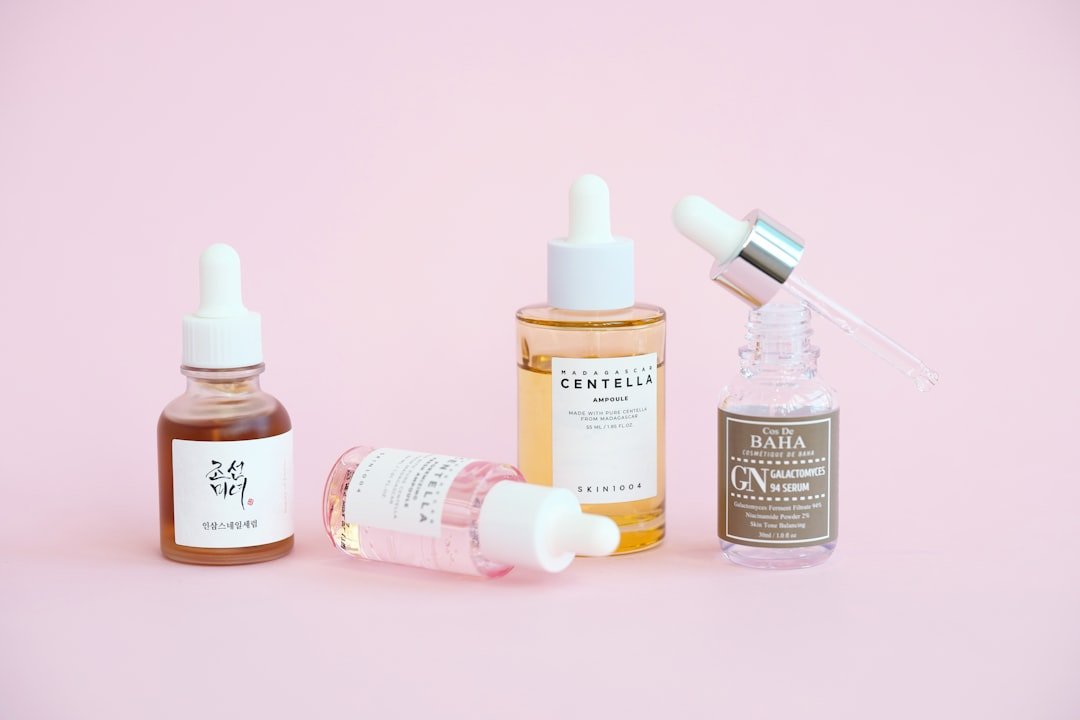
Shopping
Compare Full Size, Mini, and Refill Before Buying
Use price per amount, application frequency, shelf life, travel, packaging, and whether the refill needs an existing container.
Open the beauty note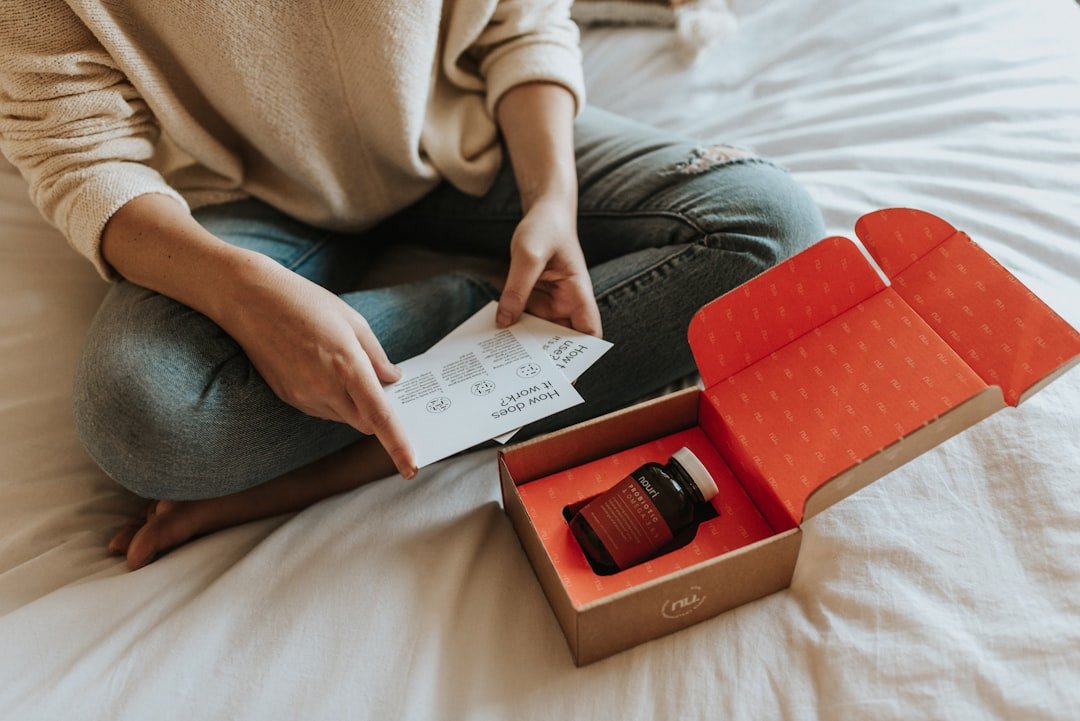
Shopping
Read the Beauty Return Policy Before Opening Everything
Check hygiene restrictions, seals, shade returns, shipping fees, deadlines, exchanges, samples, and retailer-specific rules.
Open the beauty note